How to stay focused when everything is built to distract you
You are not weak willed. You are competing against systems designed by thousands of very talented people whose entire job is to win the next four seconds of your attention, and they are extremely good at it. Once you stop treating that as a personal failing, it becomes solvable.
The check costs fifteen seconds and takes eight minutes
Here is the part almost nobody accounts for. When you switch away from what you are doing, even briefly, a piece of your attention stays behind on the thing you left. Researchers call it attention residue. The reverse is also true: coming back, part of your mind is still on the notification for several minutes while you rebuild the context you had.
So the glance at your phone does not cost fifteen seconds. It costs fifteen seconds plus the climb back, and the climb is the expensive part. Do that a dozen times in a two hour session, which is a normal evening for most students, and you can be at your desk for two hours while the amount of genuinely deep work you did fits comfortably into thirty minutes.
This is why so many students feel they work constantly and get nowhere. They are not lying about the hours. The hours were real. They were just spent in pieces too small to think in.
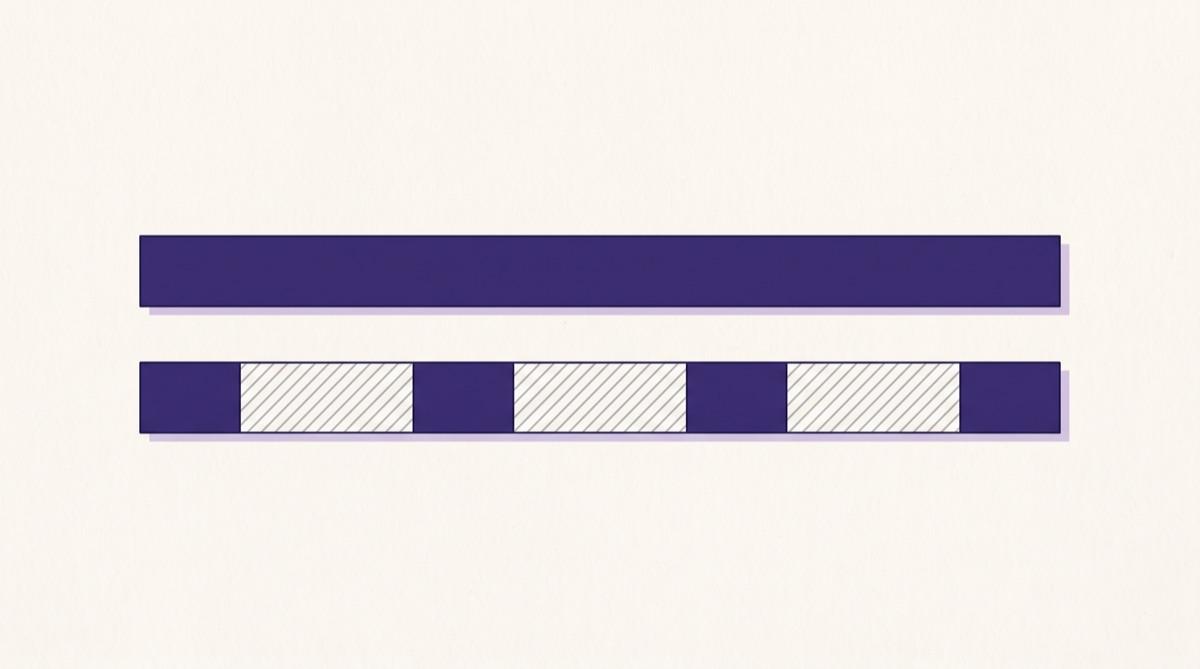
Two hours at the desk and two hours of work are not the same object. The gaps are where the interruptions and the climb back live.
Your phone costs you even when you do not touch it
The harder finding is that willpower does not save you here. Keeping the phone face down on the desk and successfully resisting it still measurably reduces how much you have available to think with, because a part of your mind is spending effort on not checking. You pay for the restraint itself.
Which means the fix is not being stronger. It is being further away. Put the phone in another room, not face down beside you. The distance is doing the work, and it is doing it for free, all evening, without you having to be disciplined even once.
Design the environment, do not fight it
Treat every act of self control you need as a design failure. Willpower is a small and rapidly depleting resource, and it is at its lowest exactly when you are tired, which is exactly when you study. Anything that depends on it will fail eventually, and it will fail on the day it matters.
So make the distraction expensive rather than forbidden.
- Put the device physically out of reach, in another room, before you start rather than when you feel tempted.
- Log out of the accounts that cost you most, so returning takes a password rather than a thumb.
- Keep one surface for one task. If you work on a laptop, close everything that is not the work, including the tab you are keeping open "just in case".
- Decide when the session ends before you start. An open ended session invites breaks; a session with a finish line does not.
The point of all of this is to make the good choice the default one, so you never have to make it again.
Rebuild your tolerance for being bored
This is the part most advice skips, and it is the one that actually decides the year.
Hard study has a particular feeling. It is flat, slightly uncomfortable, and unrewarding right up until the moment it works. That feeling used to be ordinary. It is now competing directly with a device that delivers a small unpredictable reward every few seconds, and against that comparison, the flat feeling reads as something being wrong.
Nothing is wrong. That flatness is what learning feels like from the inside. But your tolerance for sitting in it has genuinely been eroded, and it has to be trained back like any other capacity.
Train it deliberately. Start with twenty minutes where the rule is not that you must work well, only that you may not switch. If you get stuck, you stay stuck and stare at the question. Being bored and staying anyway is the whole exercise. Then extend it.
Within two or three weeks the flat feeling stops registering as an emergency, and that change is worth more than any technique on this page.
Protect the first ten minutes above everything else
Starting is the hardest part of any session, and it is the part most easily destroyed. The first ten minutes are when you are building the mental context that all the later work sits on, and an interruption then does not cost you ten minutes. It costs you the session, because you go back to the beginning.
So make the opening non negotiable. Phone away before you sit, not after. First question chosen the night before, so you are not deciding while your resolve is fresh and finite. No checking anything until the first block is done.
Get the first ten minutes right and the rest usually takes care of itself, because you are then inside the work rather than negotiating with yourself about whether to begin.
How to start the school year strong
The first three weeks of the year are the quietest you will get, and they decide more than they should. Not because of what you learn in them, but because of what you set up while there is still room to set anything up at all.
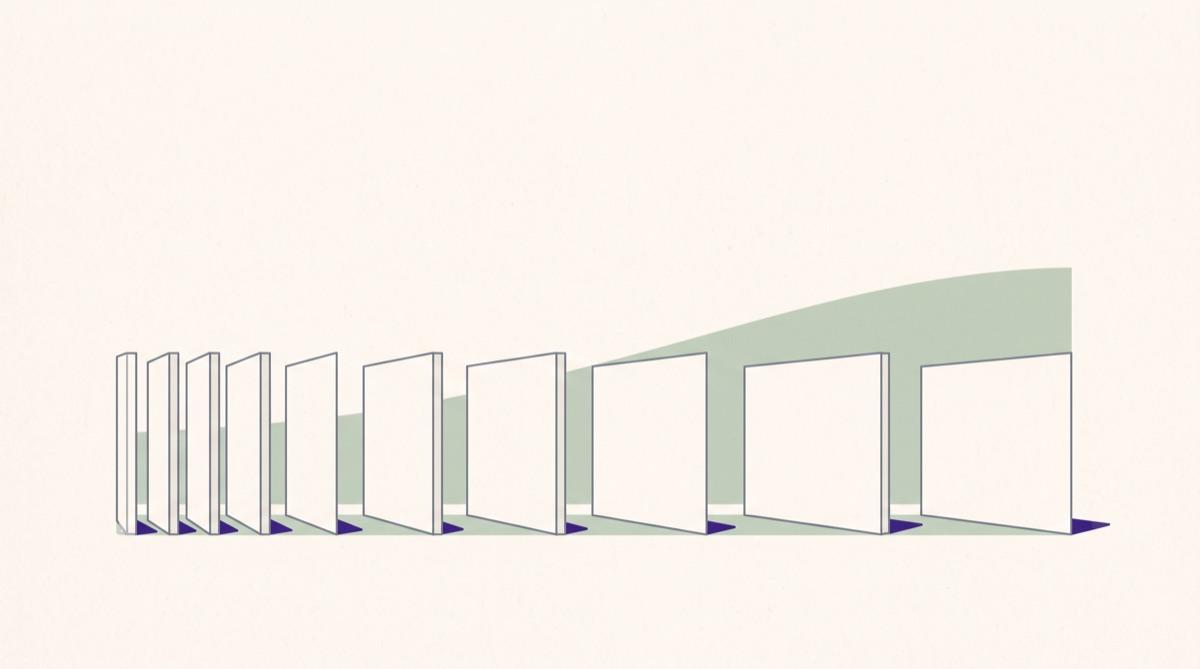
Active recall and spaced repetition, explained
Most students study by re-reading and highlighting, and most students are surprised by how little sticks. Two simple methods fix that. Neither costs money and both are backed by decades of research.
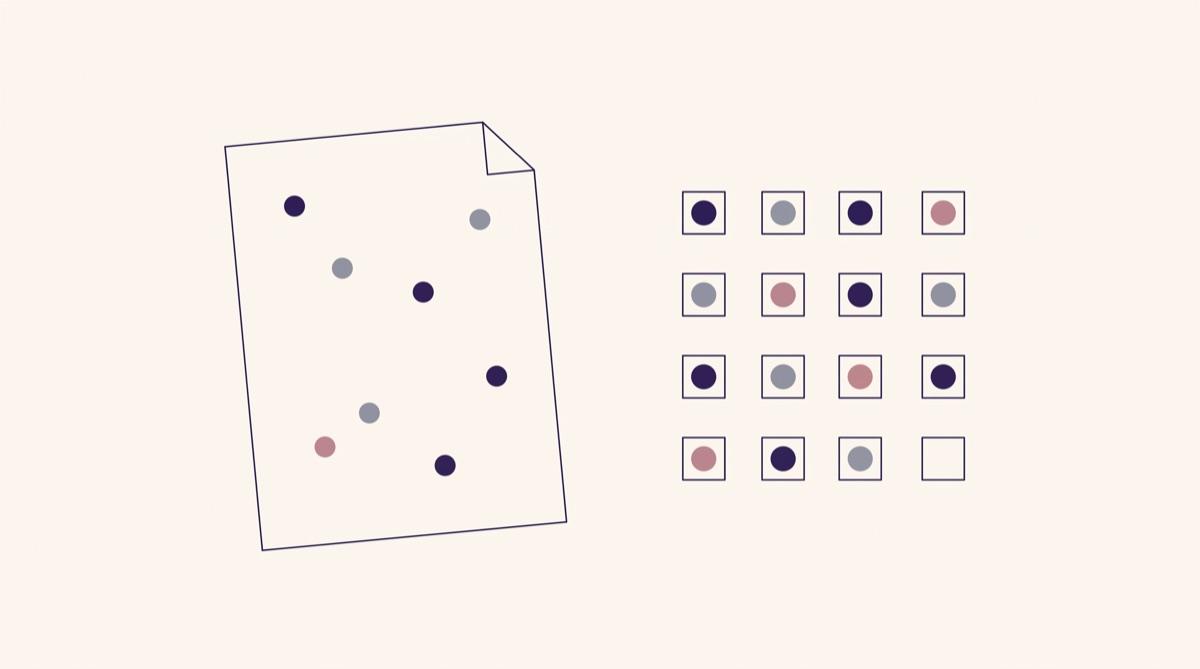
Turn your mistakes into a study plan
Two students can do the same practice and get completely different results. The difference is usually what they do with the questions they got wrong. Handled well, your mistakes become the most efficient study plan you can build.