How to start the school year strong
The first three weeks of the year are the quietest you will get, and they decide more than they should. Not because of what you learn in them, but because of what you set up while there is still room to set anything up at all.
Your brain did not forget, it just got slower
Eight weeks away does not delete what you learned. What fades is not the knowledge, it is your speed at reaching it. Researchers separate the two: how well something is stored, and how easily you can pull it out right now. A long break barely touches storage. It wrecks retrieval.
That distinction changes the whole plan. If the material were genuinely gone, the sensible response would be to reread last year from the start, which would cost you months you do not have. Because it is only retrieval that decayed, the fix is far smaller: pull a few things out of memory on purpose and the paths reopen quickly.
So the panic of the first week is almost always misplaced. You are not behind. You are out of practice at finding what you already own.
Week one is for diagnosis, not revision
Resist the urge to start revising immediately. You do not yet know what needs revising, and a week spent on the wrong topics is worse than a week spent doing nothing, because it feels productive.
Instead, spend the first sessions finding out what actually faded. Take last year's final paper, or pick ten questions spread across the topics this year will build on. Work them cold, without notes. Mark yourself honestly. You are not trying to score well. You are producing a map.
- Choose questions that later topics depend on, not the ones you enjoyed.
- Work without notes and roughly timed. A blank is data, not a failure.
- Write down only what you could not do. That short list is your September plan.
Most of it will come back faster than you expect. What does not come back is the real list, and it is almost always shorter than the fear was.
Build the smallest routine you will actually keep
The temptation in week one is the perfect schedule: three hours every evening, colour coded, every subject balanced. It survives about nine days. Then it collapses, and because you built it, the collapse feels like a verdict on you rather than on the plan.
Do the opposite. Choose something so small it feels almost embarrassing. Twenty five minutes, the same time, the same place, every weekday. The purpose of the first three weeks is not volume. It is to make the habit automatic while the workload is still light enough to allow it.
When the real work lands in October, you will not be trying to build a habit under pressure, which almost nobody manages. You will already have one, and all you will do is make the sessions longer.
Set up your systems while it is quiet
Two things are worth building now, because in six weeks you will not have the calm to build them.
The first is one place for everything: one folder per subject, one notebook, one calendar carrying the real dates for tests and deadlines as they are announced. Not a system you admire, a system you can find things in at eleven at night.
The second is an error log, the running record of questions you got wrong and why. It is nearly worthless in September, when you have made almost no mistakes yet. It is the single most valuable object you own in May. It only works if it was already a habit by then.
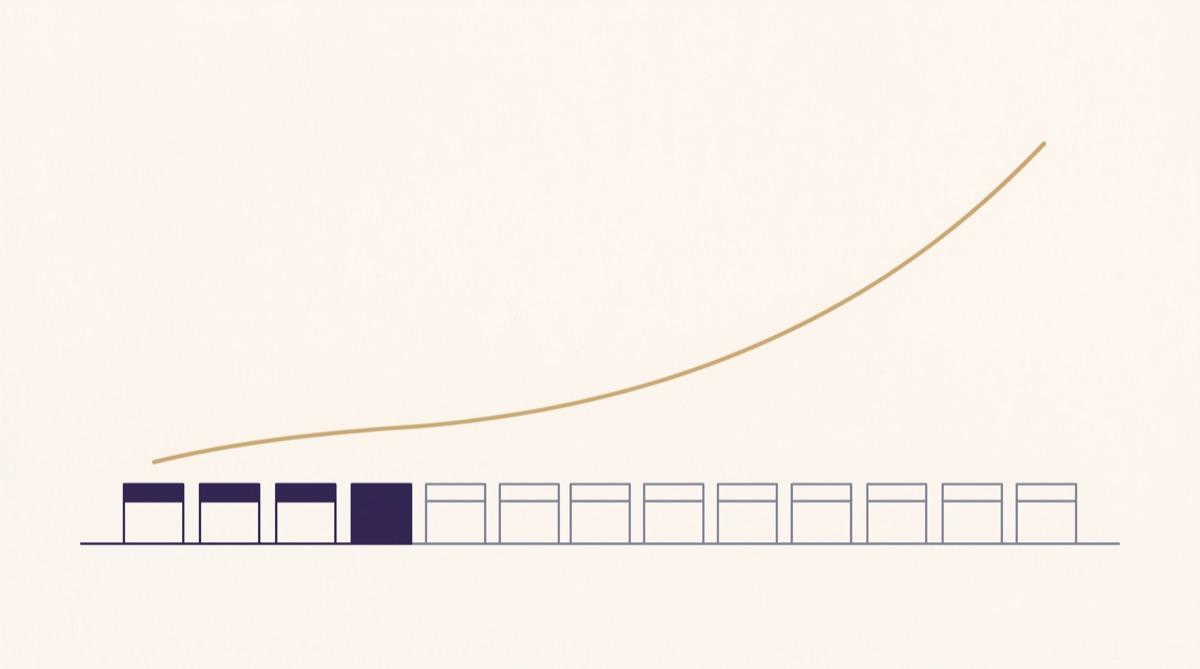
The workload rises all term. The first weeks are the only ones where you choose your habits rather than react to a deadline.
Expect the dip, and keep going through it
Somewhere in the second or third week, the newness wears off. The routine that felt purposeful on day two feels like a chore on day sixteen. This is not a sign you picked the wrong plan. It is the ordinary shape of starting anything, and it arrives for everyone at roughly the same moment.
The students who finish the year well are not the ones who felt motivated in September. Motivation is weather. They are the ones whose routine was small enough to survive the first week they did not feel like it.
So when the dip comes, do not renegotiate the plan. Do the twenty five minutes badly, and let showing up be the whole achievement that day. The habit is the asset. Everything else compounds on top of it.
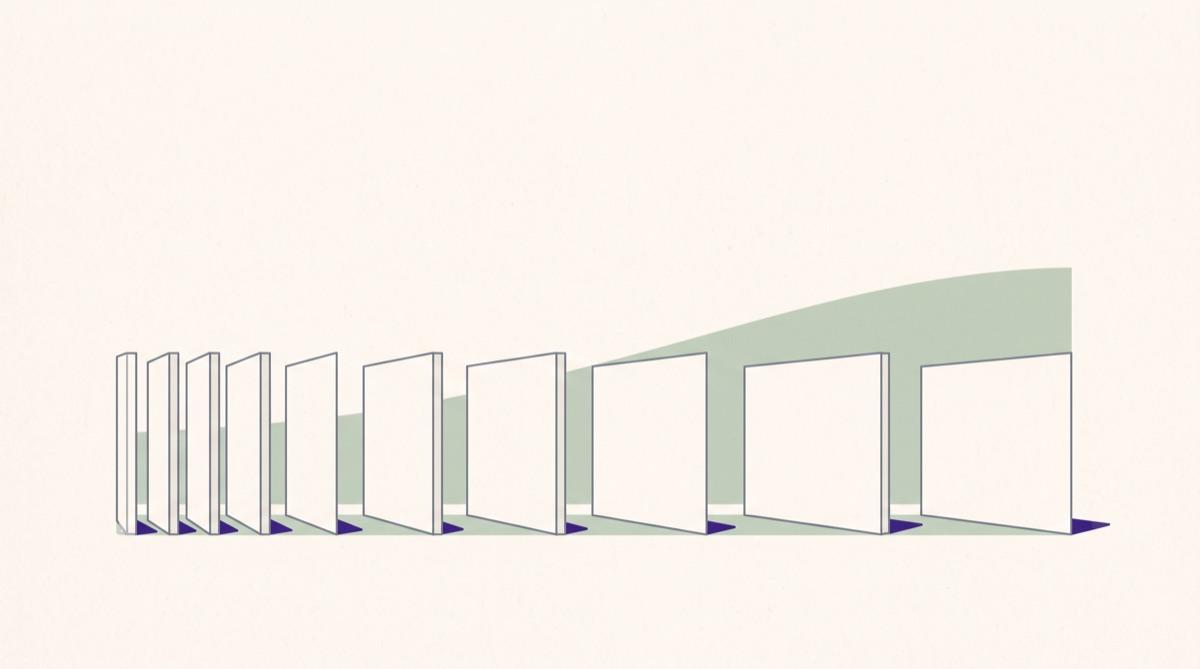
Active recall and spaced repetition, explained
Most students study by re-reading and highlighting, and most students are surprised by how little sticks. Two simple methods fix that. Neither costs money and both are backed by decades of research.
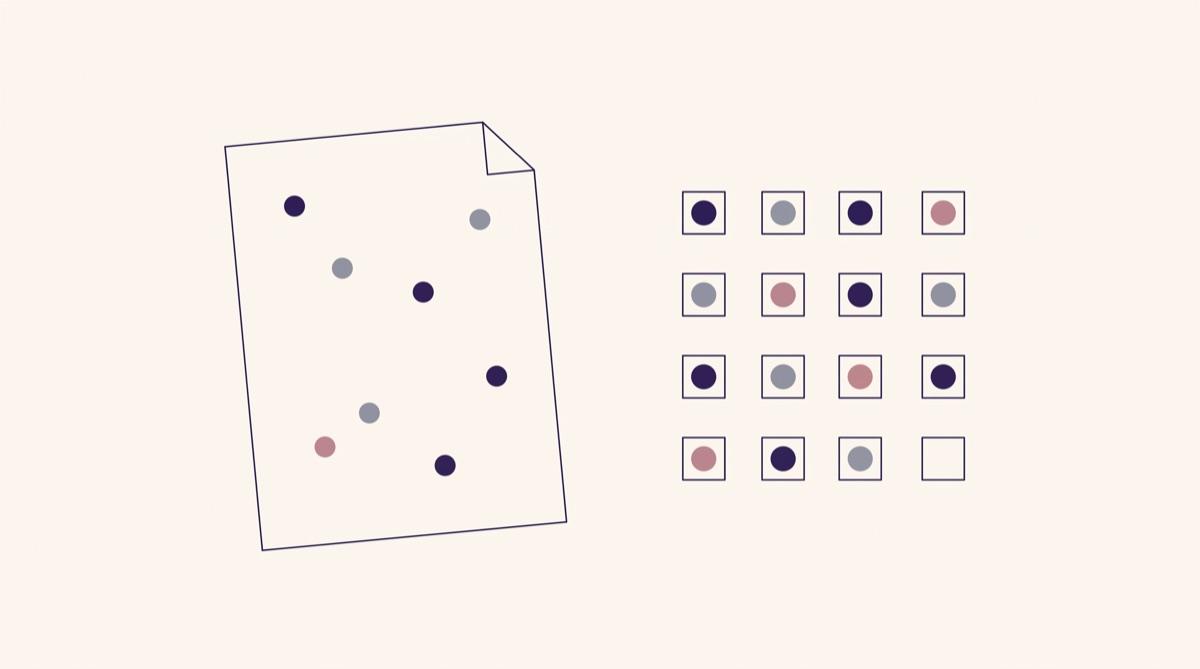
Turn your mistakes into a study plan
Two students can do the same practice and get completely different results. The difference is usually what they do with the questions they got wrong. Handled well, your mistakes become the most efficient study plan you can build.
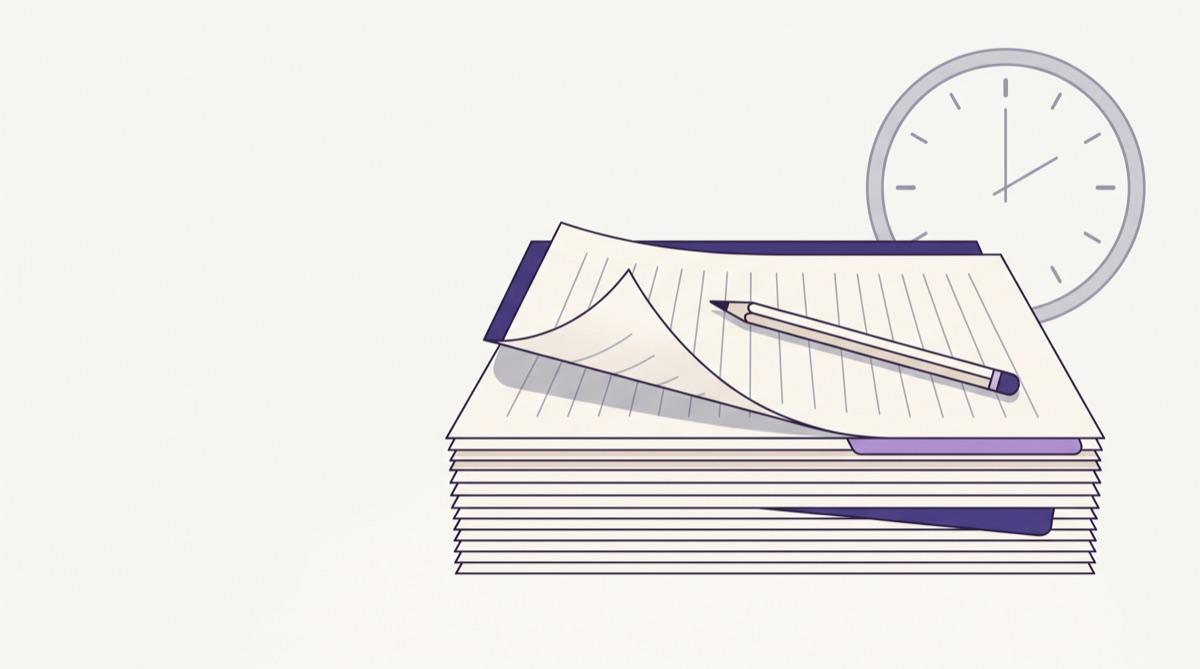
How to study from a past exam paper
A past paper is the closest thing you have to the real exam, so it is wasted if you only read it. Here is how to work through one so it actually moves your grade.