Active recall and spaced repetition, explained
Most students study by re-reading and highlighting, and most students are surprised by how little sticks. Two simple methods fix that. Neither costs money and both are backed by decades of research.
Active recall: test, do not re-read
Active recall means trying to retrieve an idea from memory instead of looking at it again. Close the book and ask yourself the question. The act of struggling to remember, even when you half-fail, is what strengthens the memory. Re-reading skips that struggle, which is exactly why it feels easier and works worse.
In practice, active recall looks like:
- Turning your notes into questions and answering them from memory.
- Explaining a topic out loud, as if teaching it, before checking what you missed.
- Redoing a problem from a blank page rather than following a worked example.
Note as written: Photosynthesis converts light energy into glucose in the chloroplast.
Question to answer from memory: Where does photosynthesis happen, and what does it convert into what?
Better still, ask it backwards: A cell makes glucose from light. Which organelle, and what is the energy source?
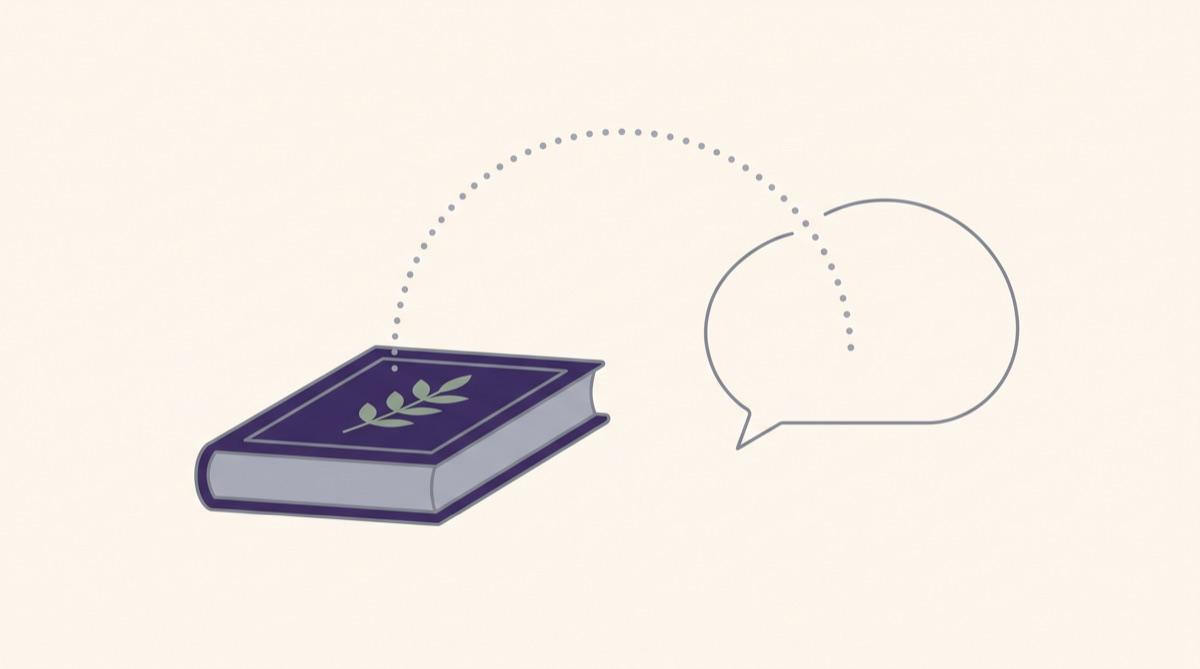
Active recall: the book stays closed, and the answer comes out of your head first.
Spaced repetition: revisit before you forget
You forget on a curve: fast at first, then slower. Spaced repetition means reviewing a topic just as it is about to fade, then leaving a longer gap before the next review. Each successful recall resets the clock and makes the memory last longer, so the reviews get further and further apart until the idea is effectively permanent.
A simple schedule for a new topic: review it the next day, then after three days, then a week, then two weeks. If you get one wrong, shorten the gap and build back up.
Why it feels harder (and why that is good)
Both methods feel worse than highlighting because they involve effort and the occasional blank. Researchers call this "desirable difficulty": the effort is not a bug, it is the mechanism. If a study method feels effortless, it is probably building recognition, not recall, and recognition is not what the exam tests.
So trust the discomfort. A study session where you struggled to remember and then checked your answer will beat an hour of smooth, pleasant re-reading almost every time.
How to study from a past exam paper
A past paper is the closest thing you have to the real exam, so it is wasted if you only read it. Here is how to work through one so it actually moves your grade.
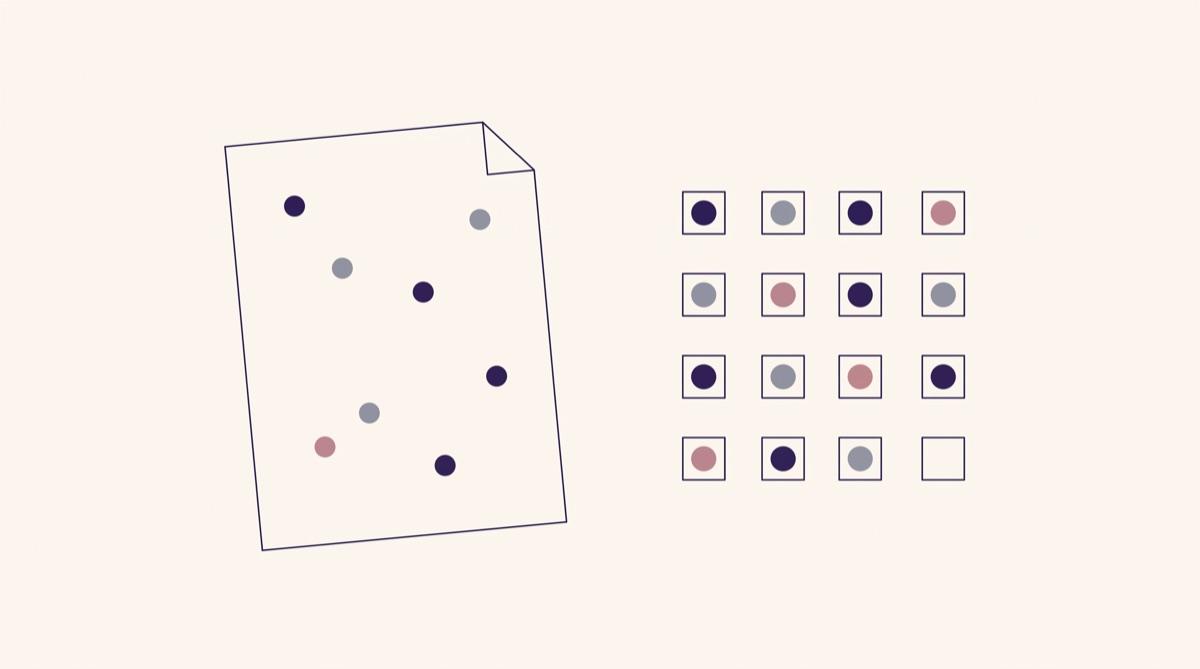
Turn your mistakes into a study plan
Two students can do the same practice and get completely different results. The difference is usually what they do with the questions they got wrong. Handled well, your mistakes become the most efficient study plan you can build.
How to start the school year strong
The first three weeks of the year are the quietest you will get, and they decide more than they should. Not because of what you learn in them, but because of what you set up while there is still room to set anything up at all.