What to do in the exam room
You can revise well for months and still lose marks in the room, because the exam tests a second skill nobody teaches you: how to spend three hours. That skill is learnable, and it is worth more marks than another week of revision.
Read the whole paper first, even though it feels like a waste
The first five minutes are the most profitable of the exam, and almost nobody uses them properly. The instinct is to start writing immediately, because everyone else is writing and the silence is unbearable. Ignore it.
Read every question before you answer any of them. Mark each one with a quick symbol: one you can definitely do, one you can probably do, one you cannot see yet. You now have three things you did not have thirty seconds ago. You know where the easy marks are, you know how the paper is shaped, and your mind has quietly started working on the hard questions in the background while you answer the easy ones.
The other benefit is emotional, and it is not small. Panic comes from not knowing what is coming. Two minutes of reading replaces a vague dread with a specific, finite list.
Spend your minutes where the marks are
Then do the arithmetic almost nobody does. Take the total time, subtract ten minutes for checking, and divide what is left by the total marks. That gives you a rough budget per mark, and every question inherits its share.
The point is not to obey a stopwatch. It is to stop the most common way of losing a grade: sinking twenty minutes into a three mark question you were determined to crack, then meeting a twelve mark question with four minutes left.
Take out ten minutes to check at the end, leaving 170 minutes for 100 marks, so a little under 1.7 minutes per mark.
A 4 mark question has earned about 7 minutes. When you hit ten, you are borrowing from somewhere else.
A 15 mark question has earned about 25 minutes, so starting it with eight minutes left is a scoring decision, not a time decision.
Answer in your own order, easiest first. There is no prize for going in sequence, and a run of successes early is the cheapest anxiety treatment available in that room.
When you blank, write something anyway
Blanking is a physical event, not a knowledge event. Under stress the retrieval goes quiet for a moment and it feels exactly like not knowing. Sitting still and waiting for it to pass is the worst option, because the panic feeds on the empty page.
Move your pen instead. Write down the topic. Write the formula you associate with it. Define the terms in the question. Draw the diagram. Start the method even if you cannot see where it lands.
Two things happen. Mechanically, you often earn method marks for exactly this, and partial credit is real credit. Cognitively, writing the surrounding facts is itself a retrieval cue, and the thing you could not reach frequently arrives once you stop reaching for it directly.
If it does not come, leave a visible gap, mark the question, and move on. Come back with fresh eyes twenty minutes later. It is astonishing how often the answer is simply waiting there on the second visit.
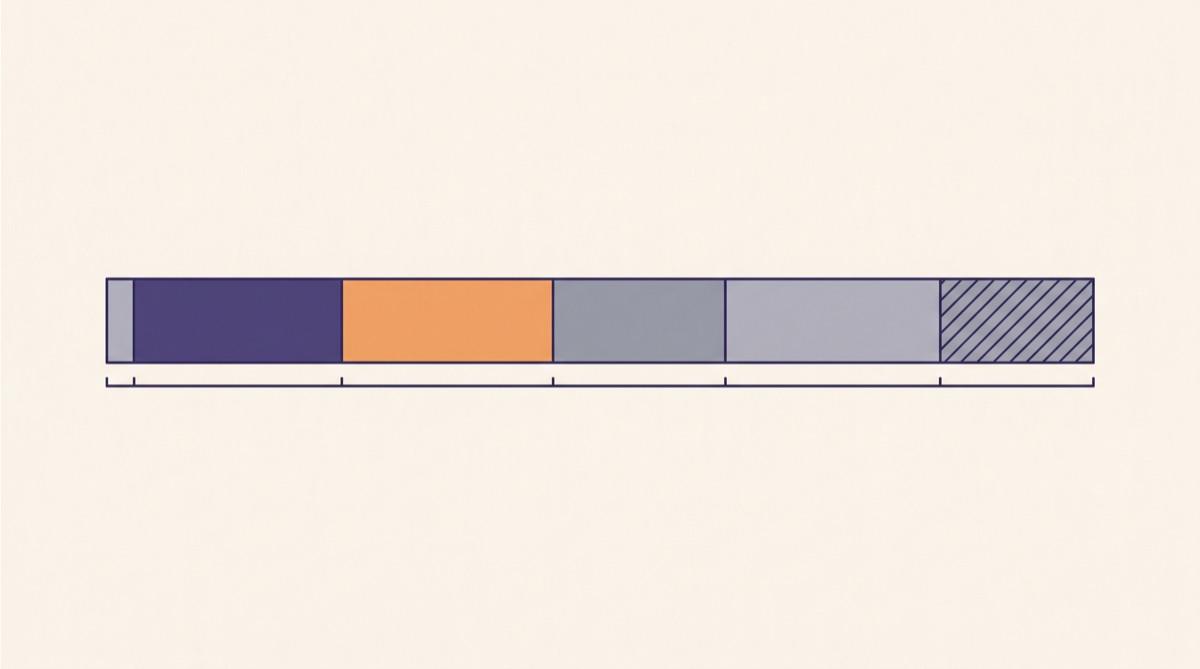
Minutes follow marks. A small block at the start to read, a reserved block at the end to check, and everything between shared out in proportion.
Never leave early
The last ten minutes are the highest value minutes on the paper, because you are no longer generating anything. You are collecting marks that are already sitting there.
Go back to every gap you left. Something is always better than nothing, and an empty space is guaranteed to score zero. Check the questions you rushed at the start, when you were most nervous and least careful. Then run three quick sweeps: units and signs, whether each answer is plausible in size, and, most importantly, whether you answered the question that was asked rather than the one you expected.
That last check is where quiet marks live. Students lose them constantly by explaining when the question said compare, or by describing when it said justify. You knew the material. You simply answered a slightly different question, and nobody in the room could tell you.
Afterwards, write down what happened
Before you talk to anyone else, take two minutes and note which questions ran long, where you blanked, and anything you would do differently. Not the content, the process.
Do that after every mock and every real paper, and by the time the exams that matter arrive you will have something most candidates never build: evidence about how you personally behave under pressure, and a plan written by the only person who has seen it.
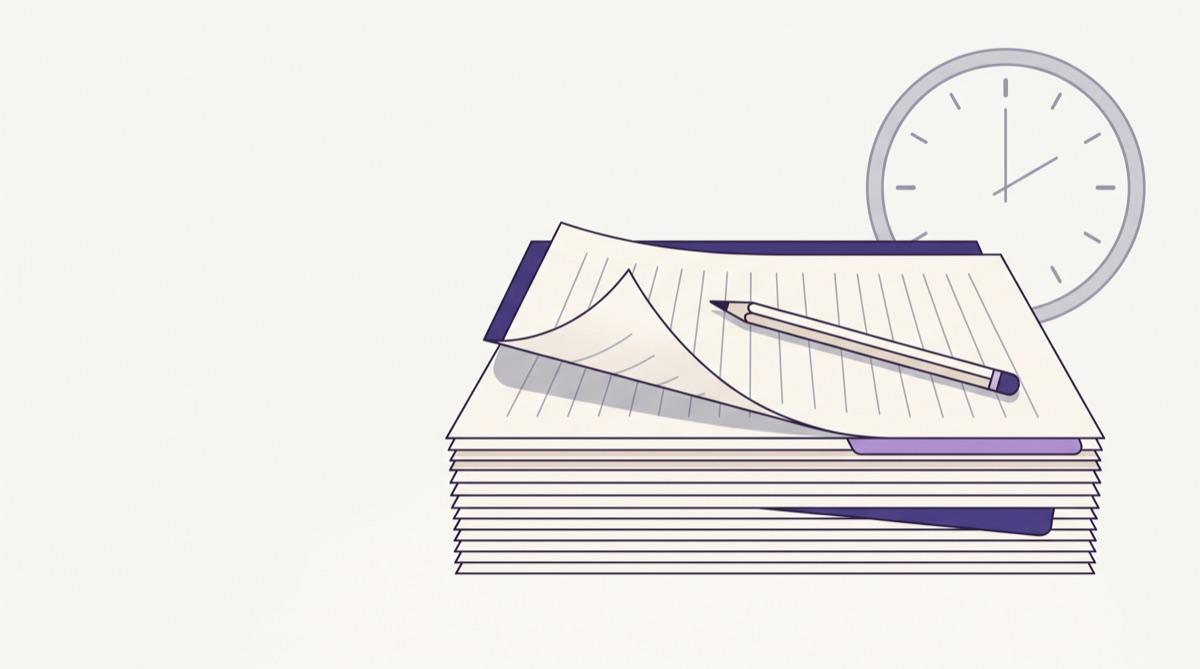
How to study from a past exam paper
A past paper is the closest thing you have to the real exam, so it is wasted if you only read it. Here is how to work through one so it actually moves your grade.
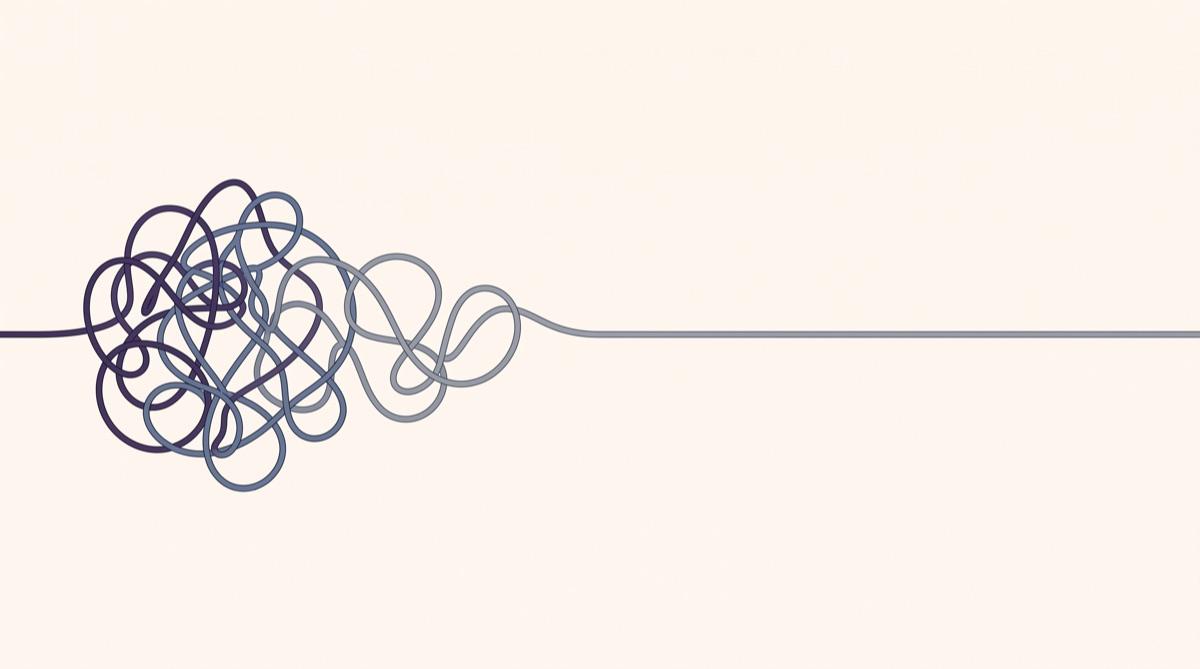
How to get unstuck on a hard problem
Getting stuck is not a sign you are bad at a subject. It is the normal middle of solving anything worth solving. What separates strong students is having a process for that moment instead of panicking or looking for a completed walkthrough.
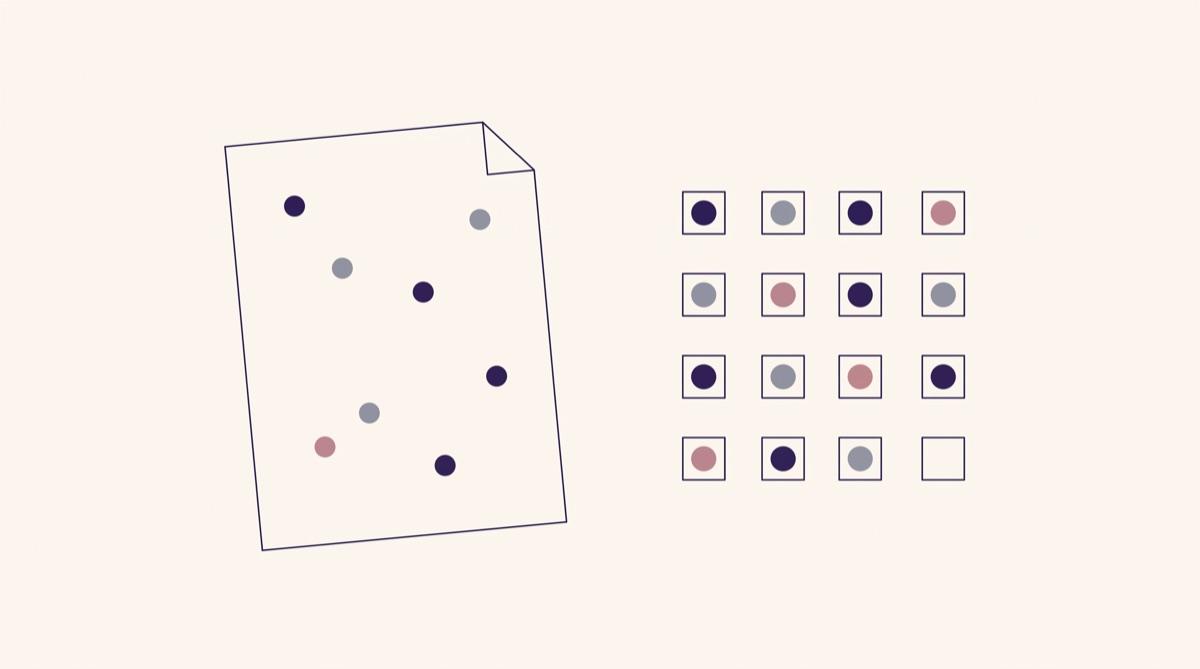
Turn your mistakes into a study plan
Two students can do the same practice and get completely different results. The difference is usually what they do with the questions they got wrong. Handled well, your mistakes become the most efficient study plan you can build.