How to get unstuck on a hard problem
Getting stuck is not a sign you are bad at a subject. It is the normal middle of solving anything worth solving. What separates strong students is having a process for that moment instead of panicking or looking for a completed walkthrough.
First, understand the question, not the answer
Most "I am stuck" moments are really "I have not fully read the question" moments. Before trying to solve anything, put the problem in your own words. What is it giving you? What is it actually asking for? Underline the numbers and conditions. A surprising number of problems unlock the instant you say clearly what they want.
Shrink the problem
If the problem is too big to see, make it smaller. Try an easier version: smaller numbers, one variable instead of three, the first case instead of the general one. Solving the tiny version often reveals the method you then scale back up.
- Replace hard numbers with small, friendly ones and solve that first.
- Draw it. A diagram, a table, or a quick sketch offloads the problem from your head.
- Ask what topic this is testing, which points you at the tool you are meant to use.
Use a hint, not the answer
When you are truly stuck, a completed walkthrough can create an "oh, of course" feeling without giving you a method you can reproduce. What you want is the smallest useful hint: the next single step, not the whole path.
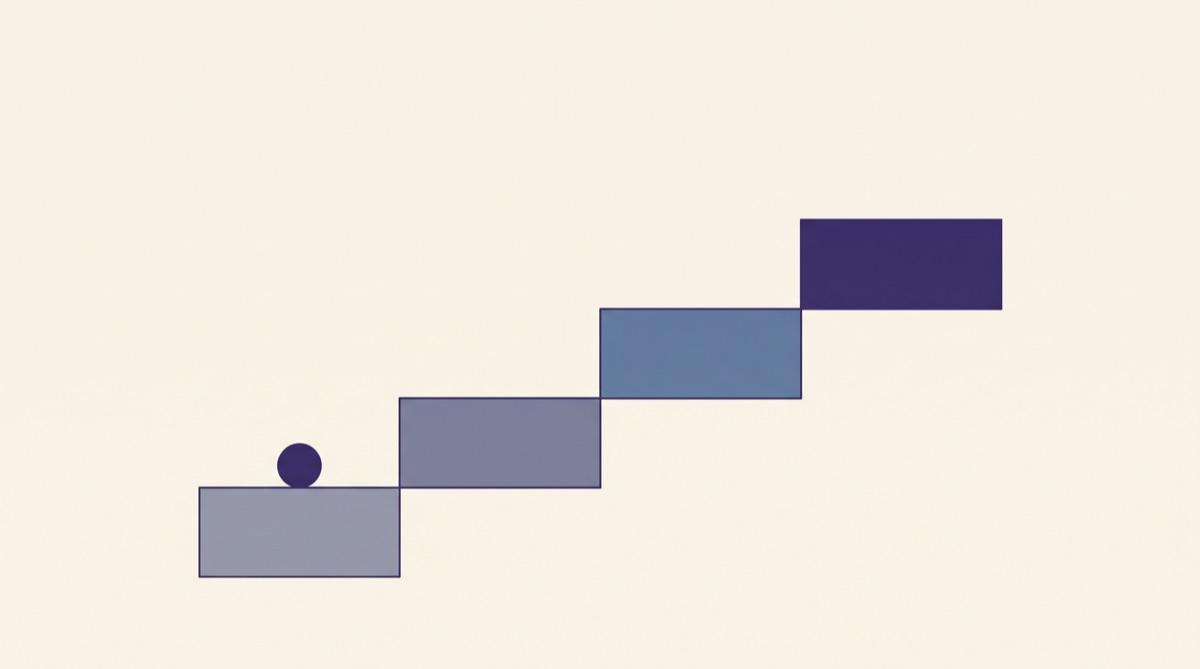
Help climbs one step at a time: a nudge, then the method, then one explained step before you take over again.
After you solve it, look back
Once it clicks, do not move on immediately. Ask: what was the key step I was missing? Could I spot that trigger next time? This thirty-second review is what turns one solved problem into a pattern you recognise across many future problems.
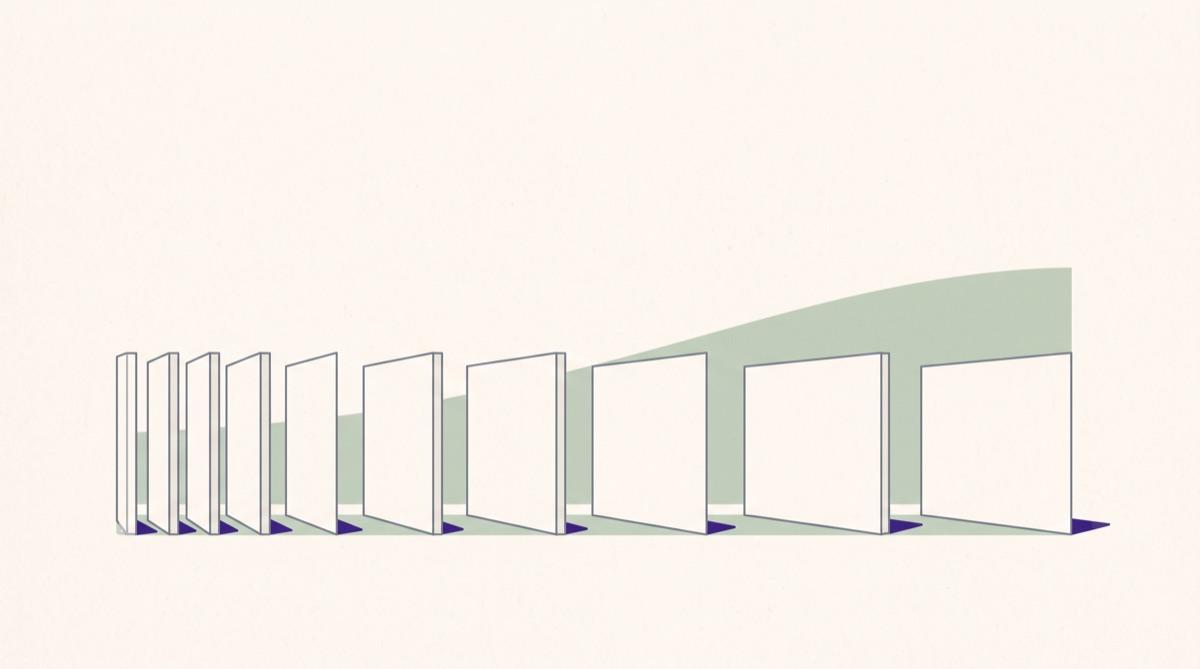
Active recall and spaced repetition, explained
Most students study by re-reading and highlighting, and most students are surprised by how little sticks. Two simple methods fix that. Neither costs money and both are backed by decades of research.
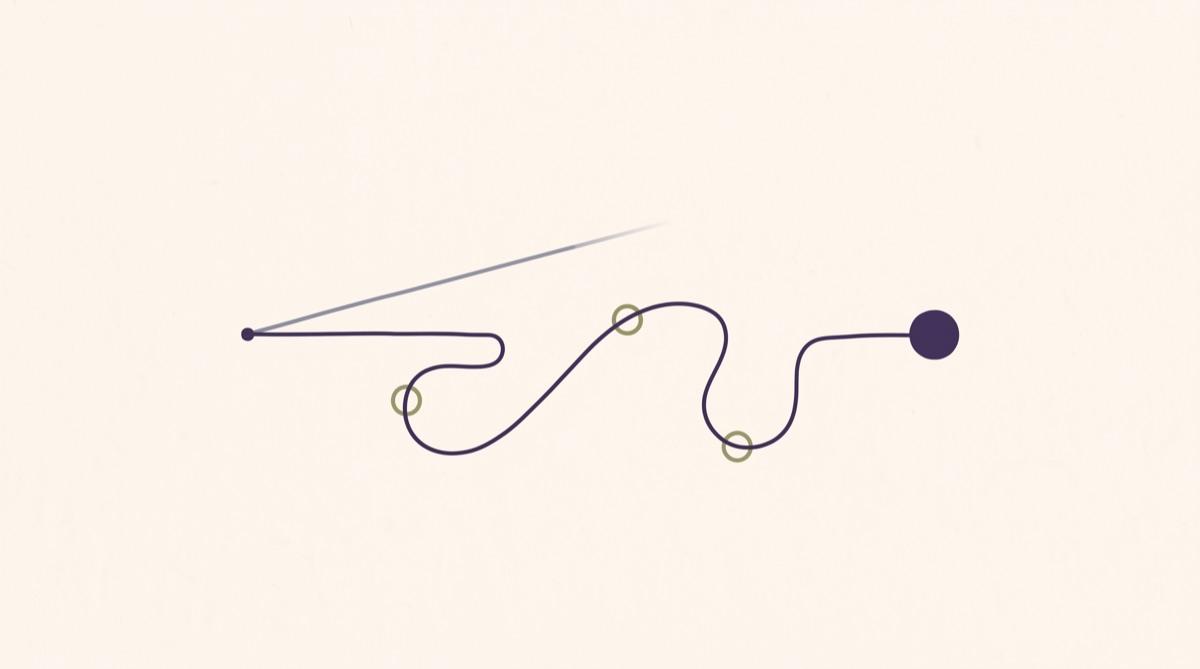
How to use an AI tutor for active learning
The risk with an AI tutor is finishing a practice session feeling like you understood it, then discovering three weeks later that you cannot reproduce the method yourself.
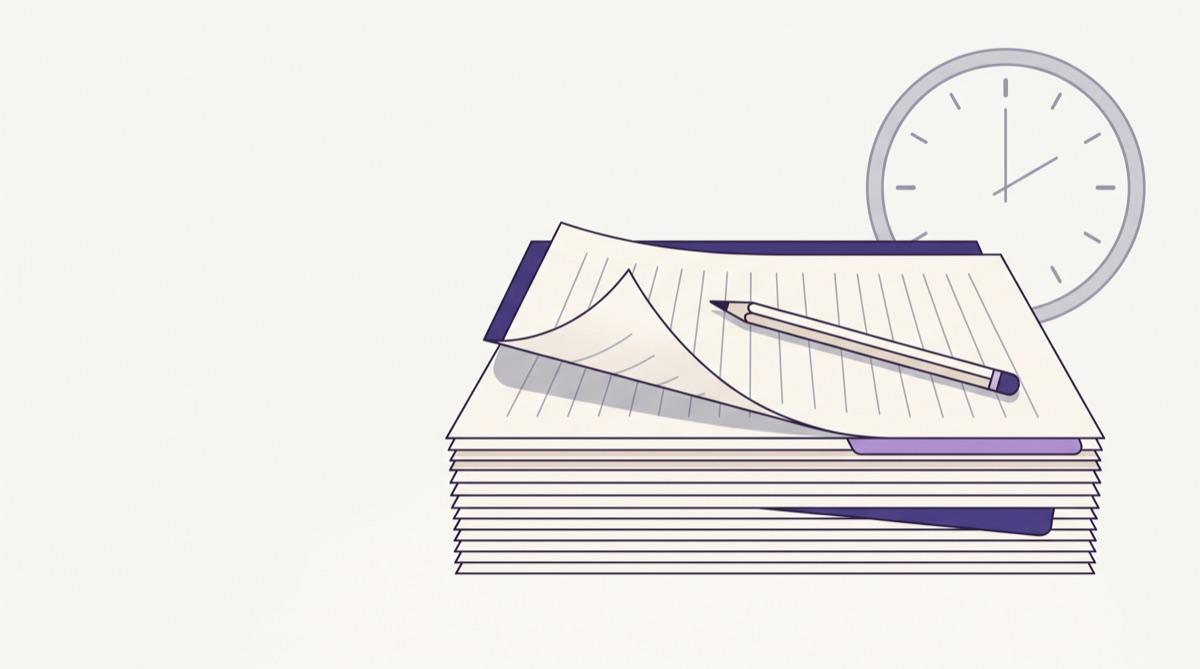
How to study from a past exam paper
A past paper is the closest thing you have to the real exam, so it is wasted if you only read it. Here is how to work through one so it actually moves your grade.